
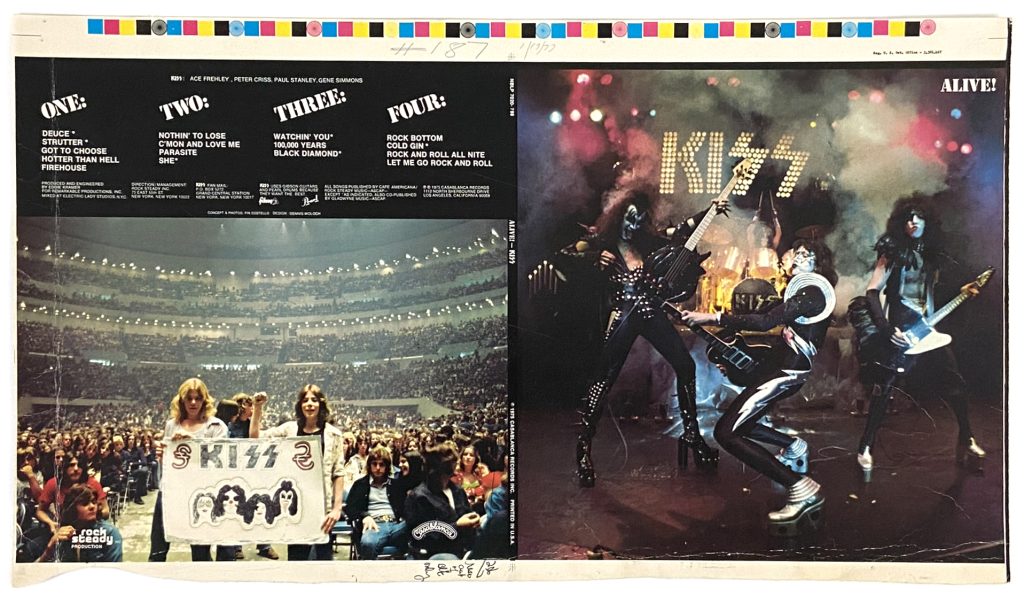
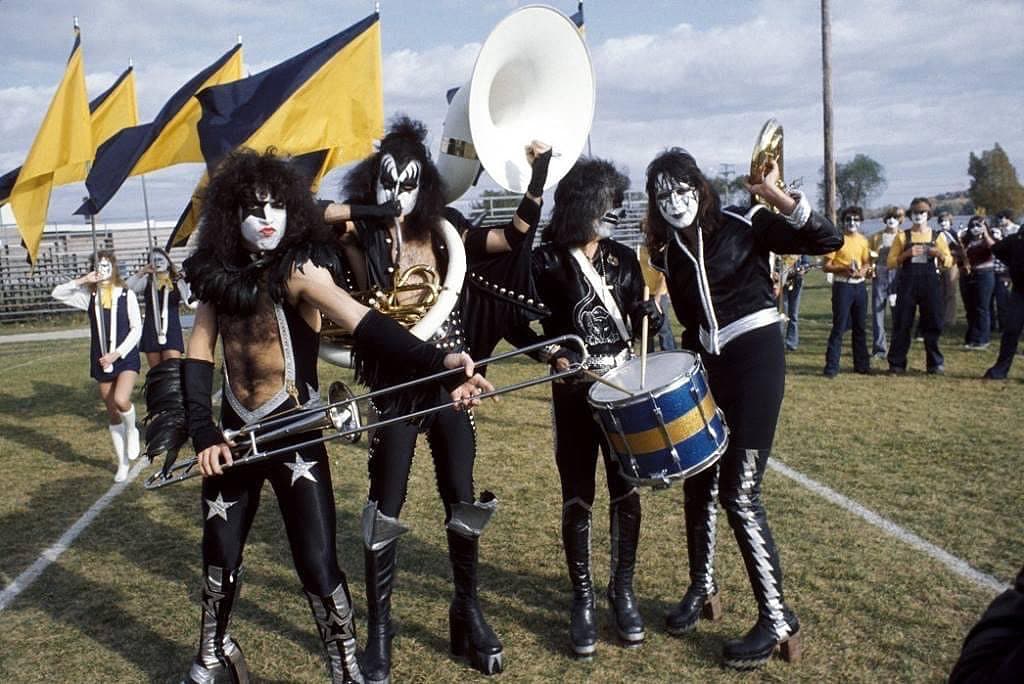
On 11. September, 1975, Bill Aucoin, Rock Steady Productions, sent Casablanca Records a letter of termination. Kiss was leaving the label due to breach of royalty payments. In the following month Neil Bogart and Casablanca Records wrote a check for two million dollars and Kiss stayed with the label.
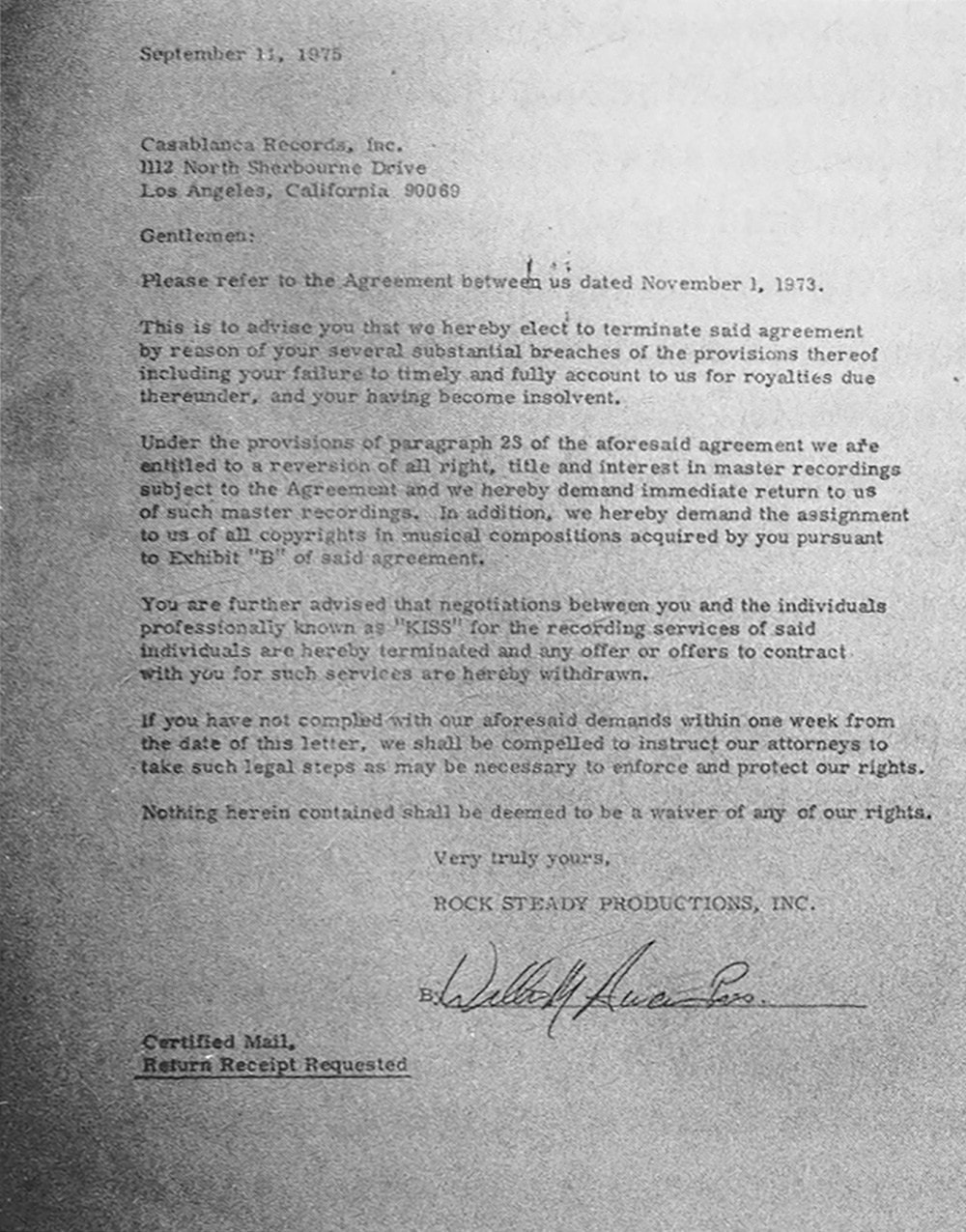
Larry Alan Harris:
“Our royalty issue with KISS erupted again. We weren’t in any better position to cut them a check than we’d been six months earlier, when we signed the new contract with them. They knew it, and we knew it. The May 1 agreement had felt like a small victory, but in terms of royalty payments, it was nothing more than a delay tactic. Neil and I knew that KISS’s patience would soon run out. On September 15, 1975, he showed me a letter of termination from Bill Aucoin. KISS was leaving Casablanca.
Aucoin had all the leverage on his side, and he soon played his next card. For two weeks we heard rumors from several sources that Bill was shopping KISS to all the heavy hitters: Warner, Atlantic, and Capitol. Even more troubling was that Bill was bankrolling demo sessions with Alice Cooper producer Bob Ezrin for the band’s next studio album, which would give him a big carrot to dangle in front of the record companies as he attempted to negotiate a new deal for KISS. But Neil, despite having every reason not to, remained confident, and in early October he filed an affidavit with the New York Supreme Court accusing Aucoin of attempting to sign KISS with our competitors. Then, a few days later, he blinked and cut KISS and Aucoin a check for two million dollars. This not only fulfilled our guarantee to pay them by October 20 (the date for the first royalty payment listed in our May 1975 agreement), but it also eased tensions between us and the KISS camp. Aucoin and KISS were happy, for obvious reasons, but Neil was physically drained. The stress of the past year was beginning to take its toll on him, and I could occasionally see chinks in his armor. Having to make such a huge payment was a severe financial blow, and it would contribute to the harrowing ride that awaited us in the coming months.”
– “And Party Every Day: The Inside Story of Casablanca Records” by Larry Alan Harris.
BILL AUCOIN: One of the reasons I used my American Express card to finance KISS on tour was because the record label couldn’t afford to give us any more money. When I challenged Casablanca over their nonpayment of royalties, the lawyers revealed that we were suing the label. It became a real war. Neil took offence to that because he had done a lot for us. I adored Neil, and he took it very negatively. Neil felt I was going against him and Joyce was caught in the middle. We were just releasing Alive! and I said, “If we don’t get things straightened out now we’re dead.”
BILL AUCOIN: I really had no reason to leave Neil. I just had to straighten out this business end. Neil actually went to the guys and asked them to leave me. He told them that he would manage them and Casablanca would do everything. This was all because I was going against him. But the guys made it clear to Neil that they wouldn’t leave me. Basically we had Neil and Casablanca over the barrel.
PAUL STANLEY: When Alive! became such a huge success, they came up with the money and paid us what we were owed, and we stayed put with the label.
BILL AUCOIN: We signed a new deal with Casablanca, who paid us a lump sum of what we were owed, and we would go forward.
– “Nothin’ to Lose: The making of Kiss (1972-1975)” by Ken Sharp, Gene Simmons, and Paul Stanley.
Related Kiss posts:
 Bill Aucoin sees Kiss play for the first time
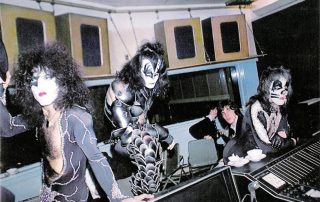 Kiss enters Electric Lady Studios to start recording “Destroyer”
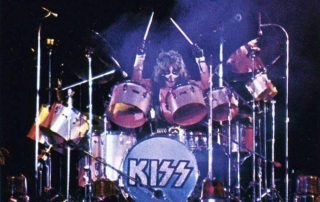 Kiss sells out an arena in their hometown, New York, for the first time
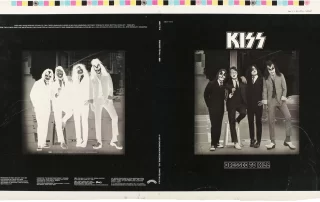 Kiss releases their third studio album “Dressed to Kill”
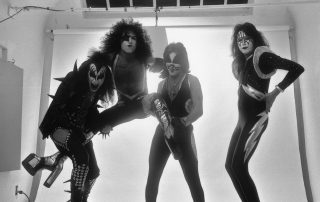 The Kiss photo session “White Room Session” takes place
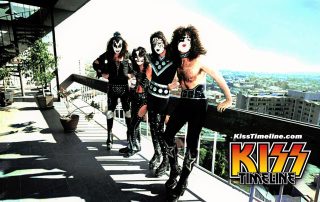 Kiss does the Playboy building photo session
On 11. September, 1975, Bill Aucoin, Rock Steady Productions, sent Casablanca Records a letter of termination. Kiss was leaving the label due to breach of royalty payments. In the following month Neil Bogart and Casablanca Records wrote a check for two million dollars and Kiss stayed with the label.
Larry Alan Harris:
“Our royalty issue with KISS erupted again. We weren’t in any better position to cut them a check than we’d been six months earlier, when we signed the new contract with them. They knew it, and we knew it. The May 1 agreement had felt like a small victory, but in terms of royalty payments, it was nothing more than a delay tactic. Neil and I knew that KISS’s patience would soon run out. On September 15, 1975, he showed me a letter of termination from Bill Aucoin. KISS was leaving Casablanca.
Aucoin had all the leverage on his side, and he soon played his next card. For two weeks we heard rumors from several sources that Bill was shopping KISS to all the heavy hitters: Warner, Atlantic, and Capitol. Even more troubling was that Bill was bankrolling demo sessions with Alice Cooper producer Bob Ezrin for the band’s next studio album, which would give him a big carrot to dangle in front of the record companies as he attempted to negotiate a new deal for KISS. But Neil, despite having every reason not to, remained confident, and in early October he filed an affidavit with the New York Supreme Court accusing Aucoin of attempting to sign KISS with our competitors. Then, a few days later, he blinked and cut KISS and Aucoin a check for two million dollars. This not only fulfilled our guarantee to pay them by October 20 (the date for the first royalty payment listed in our May 1975 agreement), but it also eased tensions between us and the KISS camp. Aucoin and KISS were happy, for obvious reasons, but Neil was physically drained. The stress of the past year was beginning to take its toll on him, and I could occasionally see chinks in his armor. Having to make such a huge payment was a severe financial blow, and it would contribute to the harrowing ride that awaited us in the coming months.”
– “And Party Every Day: The Inside Story of Casablanca Records” by Larry Alan Harris.
BILL AUCOIN: One of the reasons I used my American Express card to finance KISS on tour was because the record label couldn’t afford to give us any more money. When I challenged Casablanca over their nonpayment of royalties, the lawyers revealed that we were suing the label. It became a real war. Neil took offence to that because he had done a lot for us. I adored Neil, and he took it very negatively. Neil felt I was going against him and Joyce was caught in the middle. We were just releasing Alive! and I said, “If we don’t get things straightened out now we’re dead.”
BILL AUCOIN: I really had no reason to leave Neil. I just had to straighten out this business end. Neil actually went to the guys and asked them to leave me. He told them that he would manage them and Casablanca would do everything. This was all because I was going against him. But the guys made it clear to Neil that they wouldn’t leave me. Basically we had Neil and Casablanca over the barrel.
PAUL STANLEY: When Alive! became such a huge success, they came up with the money and paid us what we were owed, and we stayed put with the label.
BILL AUCOIN: We signed a new deal with Casablanca, who paid us a lump sum of what we were owed, and we would go forward.
– “Nothin’ to Lose: The making of Kiss (1972-1975)” by Ken Sharp, Gene Simmons, and Paul Stanley.
Related Kiss posts:
Bill Aucoin sees Kiss play for the first time
Kiss enters Electric Lady Studios to start recording “Destroyer”
Kiss sells out an arena in their hometown, New York, for the first time
Kiss releases their third studio album “Dressed to Kill”
The Kiss photo session “White Room Session” takes place
Kiss does the Playboy building photo session