
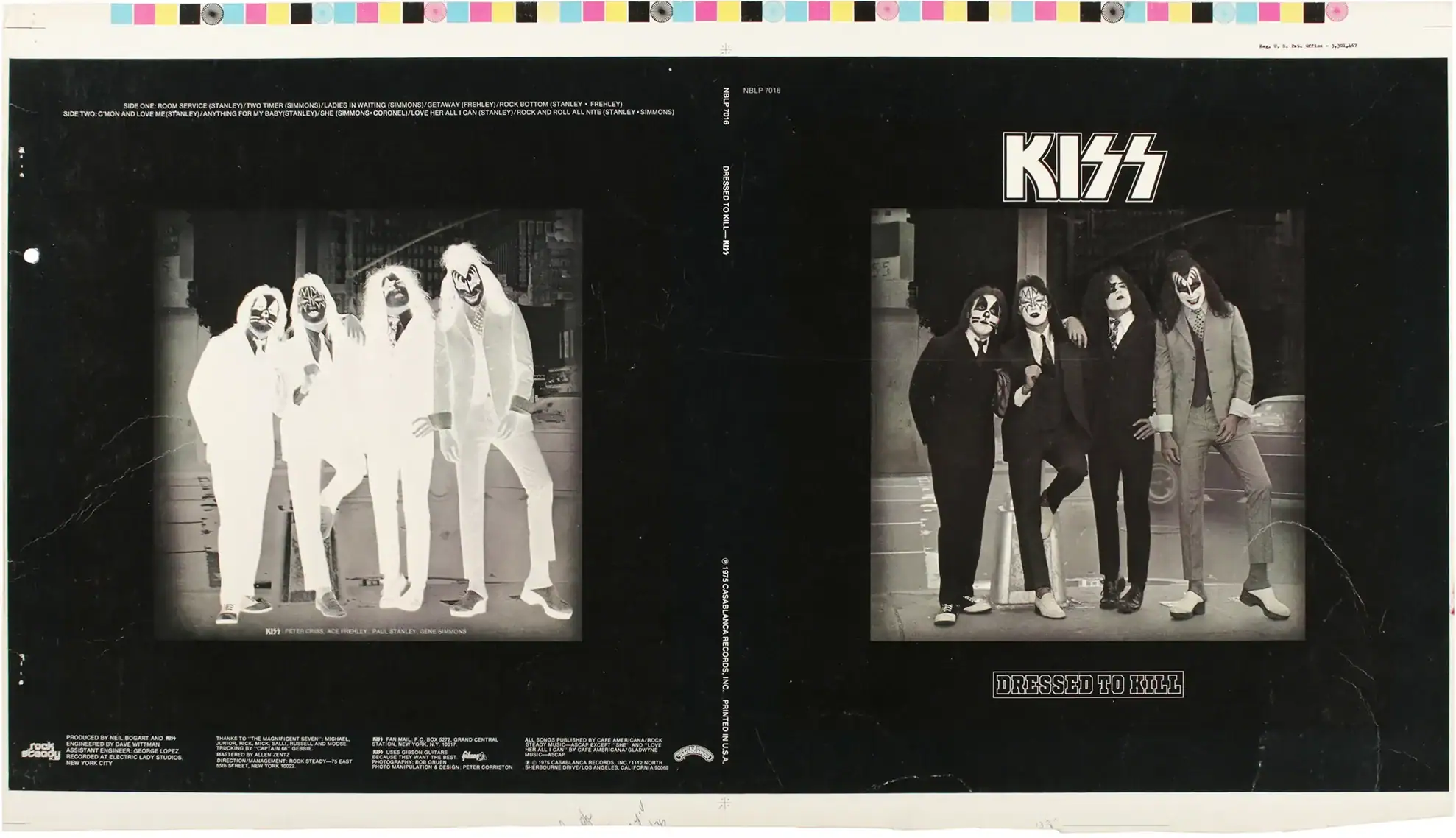
On 19. March 1975, Kiss released the third studio album “Dressed to Kill”. It was produced by Casablanca Records president Neil Bogart, as the label’s financial situation at the time did not permit the hiring of a professional producer.
Possibly due to the short length of the album, original vinyl versions had long pauses between each track to create the illusion that the sides were longer than they were. Each side ran just 15 minutes, and some of the song times were listed incorrectly on the vinyl versions. For example, “Two Timer” was listed at 2:59 and “Ladies in Waiting” was listed at 2:47.
While the album cover depicts Kiss in business suits, the only member of the band who owned one was Peter Criss. The suits worn on the cover by the rest of the band were owned by manager Bill Aucoin. The original vinyl release of the album also had the Kiss logo embossed around the picture. The photograph of the band on the album cover was taken on the southeast corner of W23rd Street and 8th Avenue looking east in New York City. “Dressed to Kill” was re-released in 1997 in a remastered version.
Gene Simmons:
“The objective for the third album was to push KISS to a higher level. For previous albums, Neil had boosted sales with novelty singles or television appearances. This time he wanted an anthem. He told us he wanted a song like Sly and the Family Stone’s “I Want to Take You Higher,” something that would get the whole audience involved, screaming, pumping their fists. Paul had an unfinished song he had been working on for months, and I had a piece of a song that I hadn’t finished either. We put the two together, and before we knew it, we had this new song, which eventually became “Rock and Roll All Nite.” The song was simple, which was very appealing, and it had a chorus vocal that was sung by a large group of people in the studio — not just the four band members but engineers, families of people from the record label, about twenty people in all. We felt the energy of it immediately — it was like those old Slade songs that we had liked when we were just starting out, but with this very accessible, middle-America feel. We had a feeling it was going to be big.”
– “Kiss and Make-Up” by Gene Simmons.
Ace Frehley:
“As was the case with the first two albums, Dressed to Kill was assembled quickly. Even though we had to write much of the material while we were recording, and even though Neil wasn’t the ideal producer, the whole process was more enjoyable than it had been on Hotter than Hell. Knowing that we had hated our time in L.A., Neil agreed to come to New York and record the album at Electric Lady Studios. So we were home, which greatly improved our mood. One thing I didn’t understand was why, during the recording process, Neil would smoke pot almost constantly without any objections from Gene or Paul, who were so antidrug. They just looked the other way. Go figure?”
“It’s a good album, I think, though not nearly as strong as either of the first two records. Having Neil in the studio with us was kind of a trip— like having your boss looking over your shoulder while you work—but it became obvious ‘fairly early in the process that while Neil had a lot of opinions about how the band should sound, and what types of songs we should record, he lacked the expertise to bring those ideas to life. Paul and Neil butted heads most of all. As a result, many of the technical and creative decisions on Dressed to Kill were made by the band members (along with Dave Wittman, the engineer) and we were listed as coproducers with Neil.”
– “No Regrets” by Ace Frehley.
Paul Stanley:
“Some songs Gene and I wrote in the morning, and Peter and Ace came in the afternoon to record. We had very few leftovers— just “She” and “Love Her All I Can”—so we had little choice. We also hadn’t written anything on the road. When faced with the choice of noodling on our guitars or nailing a woman from the Chicken Coop, it was no contest.
When I wrote a song like “Room Service,” it was a musical diary—I was totally immersed in that life now. The cocksmanship was no longer just a fantasy the way it had been on our debut album. Life on the road was everything I had conceived of and more—hot and cold running women. Everybody and anybody, willingly, gladly, take no names. The joy in the vocal on “Room Service” is real—I was celebrating this life we were living. I was reveling in it.”
– “Face the music: A Life Exposed” by Paul Stanley.
Peter Criss:
“I’d give that one two stars. Neil Bogart wasn’t a producer, so that’s why I rate it that way. He was smoking a lot of pot in those days and I know when you smoke pot you can’t hear things correctly. Everything sounds great. And then the next day you come in and go, “Holy shit, that’s terrible!” because pot makes things sound good. I’ve experimented with it and I know about it. I know when I smoked pot and put headsets on, it was like, “Oh wow, man, that’s so cool!” But I just don’t think Neil went into it with a producer’s attitude. Maybe I’d give it three stars actually because the band worked hard. We put a lot of guts into it to to get him through. We had fun and we were back home in Electric Lady so it’s a three.”
– “Kiss: Behind The Mask” by David Leaf.
Related Kiss posts:
 Eric Carr signs his five-year contract with Kiss
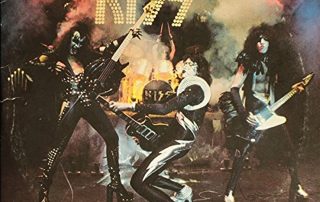 Kiss’ first live album “Alive!” is released
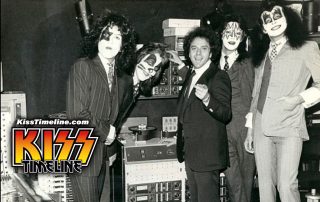 Kiss enters the studio to record “Dressed To Kill”
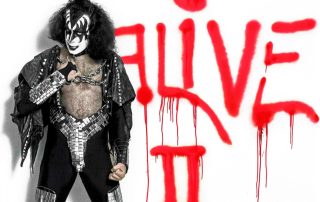 Kiss releases their second live album “Alive II”
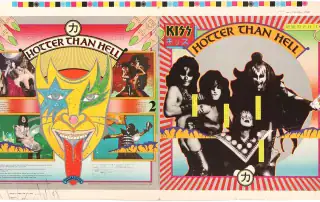 Kiss releases their second studio album “Hotter than Hell”
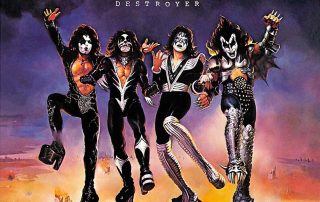 Kiss releases their fourth studio album “Destroyer”
On 19. March 1975, Kiss released the third studio album “Dressed to Kill”. It was produced by Casablanca Records president Neil Bogart, as the label’s financial situation at the time did not permit the hiring of a professional producer.
Possibly due to the short length of the album, original vinyl versions had long pauses between each track to create the illusion that the sides were longer than they were. Each side ran just 15 minutes, and some of the song times were listed incorrectly on the vinyl versions. For example, “Two Timer” was listed at 2:59 and “Ladies in Waiting” was listed at 2:47.
While the album cover depicts Kiss in business suits, the only member of the band who owned one was Peter Criss. The suits worn on the cover by the rest of the band were owned by manager Bill Aucoin. The original vinyl release of the album also had the Kiss logo embossed around the picture. The photograph of the band on the album cover was taken on the southeast corner of W23rd Street and 8th Avenue looking east in New York City. “Dressed to Kill” was re-released in 1997 in a remastered version.
Gene Simmons:
“The objective for the third album was to push KISS to a higher level. For previous albums, Neil had boosted sales with novelty singles or television appearances. This time he wanted an anthem. He told us he wanted a song like Sly and the Family Stone’s “I Want to Take You Higher,” something that would get the whole audience involved, screaming, pumping their fists. Paul had an unfinished song he had been working on for months, and I had a piece of a song that I hadn’t finished either. We put the two together, and before we knew it, we had this new song, which eventually became “Rock and Roll All Nite.” The song was simple, which was very appealing, and it had a chorus vocal that was sung by a large group of people in the studio — not just the four band members but engineers, families of people from the record label, about twenty people in all. We felt the energy of it immediately — it was like those old Slade songs that we had liked when we were just starting out, but with this very accessible, middle-America feel. We had a feeling it was going to be big.”
– “Kiss and Make-Up” by Gene Simmons.
Ace Frehley:
“As was the case with the first two albums, Dressed to Kill was assembled quickly. Even though we had to write much of the material while we were recording, and even though Neil wasn’t the ideal producer, the whole process was more enjoyable than it had been on Hotter than Hell. Knowing that we had hated our time in L.A., Neil agreed to come to New York and record the album at Electric Lady Studios. So we were home, which greatly improved our mood. One thing I didn’t understand was why, during the recording process, Neil would smoke pot almost constantly without any objections from Gene or Paul, who were so antidrug. They just looked the other way. Go figure?”
“It’s a good album, I think, though not nearly as strong as either of the first two records. Having Neil in the studio with us was kind of a trip— like having your boss looking over your shoulder while you work—but it became obvious ‘fairly early in the process that while Neil had a lot of opinions about how the band should sound, and what types of songs we should record, he lacked the expertise to bring those ideas to life. Paul and Neil butted heads most of all. As a result, many of the technical and creative decisions on Dressed to Kill were made by the band members (along with Dave Wittman, the engineer) and we were listed as coproducers with Neil.”
– “No Regrets” by Ace Frehley.
Paul Stanley:
“Some songs Gene and I wrote in the morning, and Peter and Ace came in the afternoon to record. We had very few leftovers— just “She” and “Love Her All I Can”—so we had little choice. We also hadn’t written anything on the road. When faced with the choice of noodling on our guitars or nailing a woman from the Chicken Coop, it was no contest.
When I wrote a song like “Room Service,” it was a musical diary—I was totally immersed in that life now. The cocksmanship was no longer just a fantasy the way it had been on our debut album. Life on the road was everything I had conceived of and more—hot and cold running women. Everybody and anybody, willingly, gladly, take no names. The joy in the vocal on “Room Service” is real—I was celebrating this life we were living. I was reveling in it.”
– “Face the music: A Life Exposed” by Paul Stanley.
Peter Criss:
“I’d give that one two stars. Neil Bogart wasn’t a producer, so that’s why I rate it that way. He was smoking a lot of pot in those days and I know when you smoke pot you can’t hear things correctly. Everything sounds great. And then the next day you come in and go, “Holy shit, that’s terrible!” because pot makes things sound good. I’ve experimented with it and I know about it. I know when I smoked pot and put headsets on, it was like, “Oh wow, man, that’s so cool!” But I just don’t think Neil went into it with a producer’s attitude. Maybe I’d give it three stars actually because the band worked hard. We put a lot of guts into it to to get him through. We had fun and we were back home in Electric Lady so it’s a three.”
– “Kiss: Behind The Mask” by David Leaf.
Related Kiss posts:
Eric Carr signs his five-year contract with Kiss
Kiss’ first live album “Alive!” is released
Kiss enters the studio to record “Dressed To Kill”
Kiss releases their second live album “Alive II”
Kiss releases their second studio album “Hotter than Hell”
Kiss releases their fourth studio album “Destroyer”