
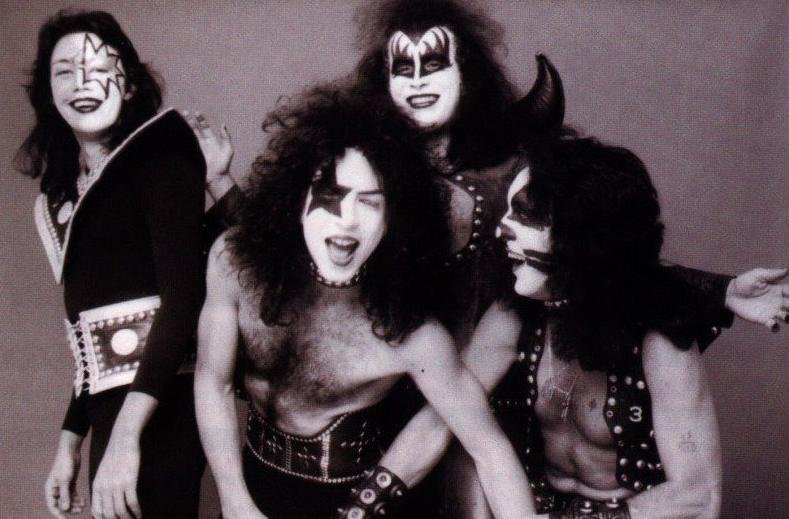
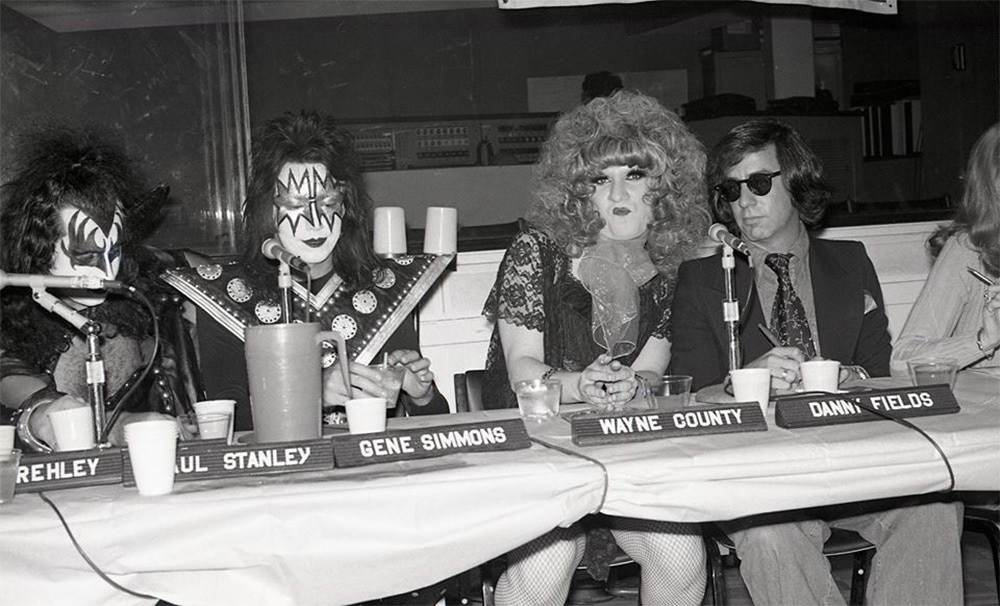
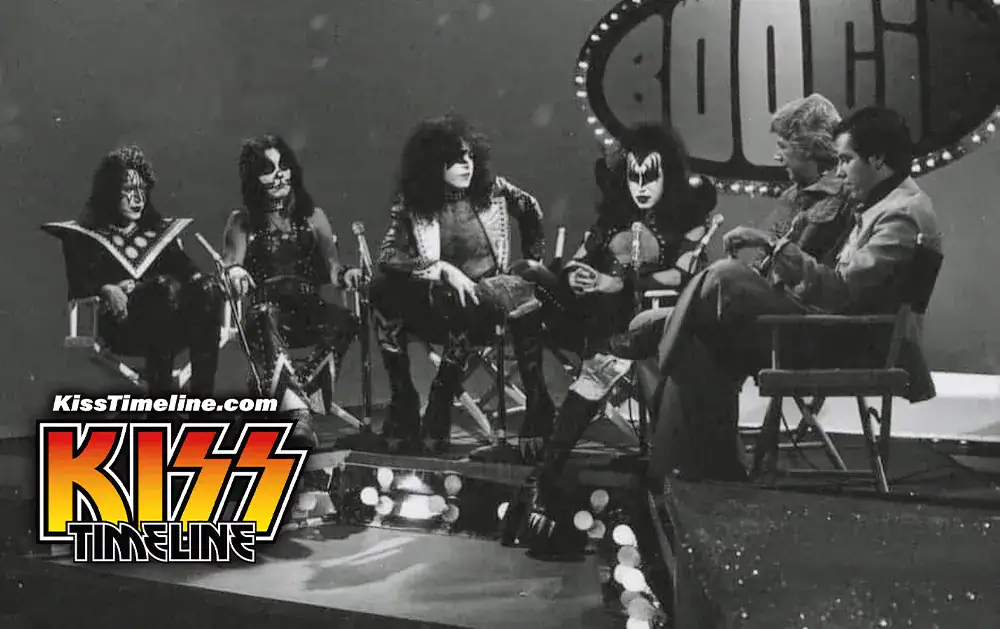
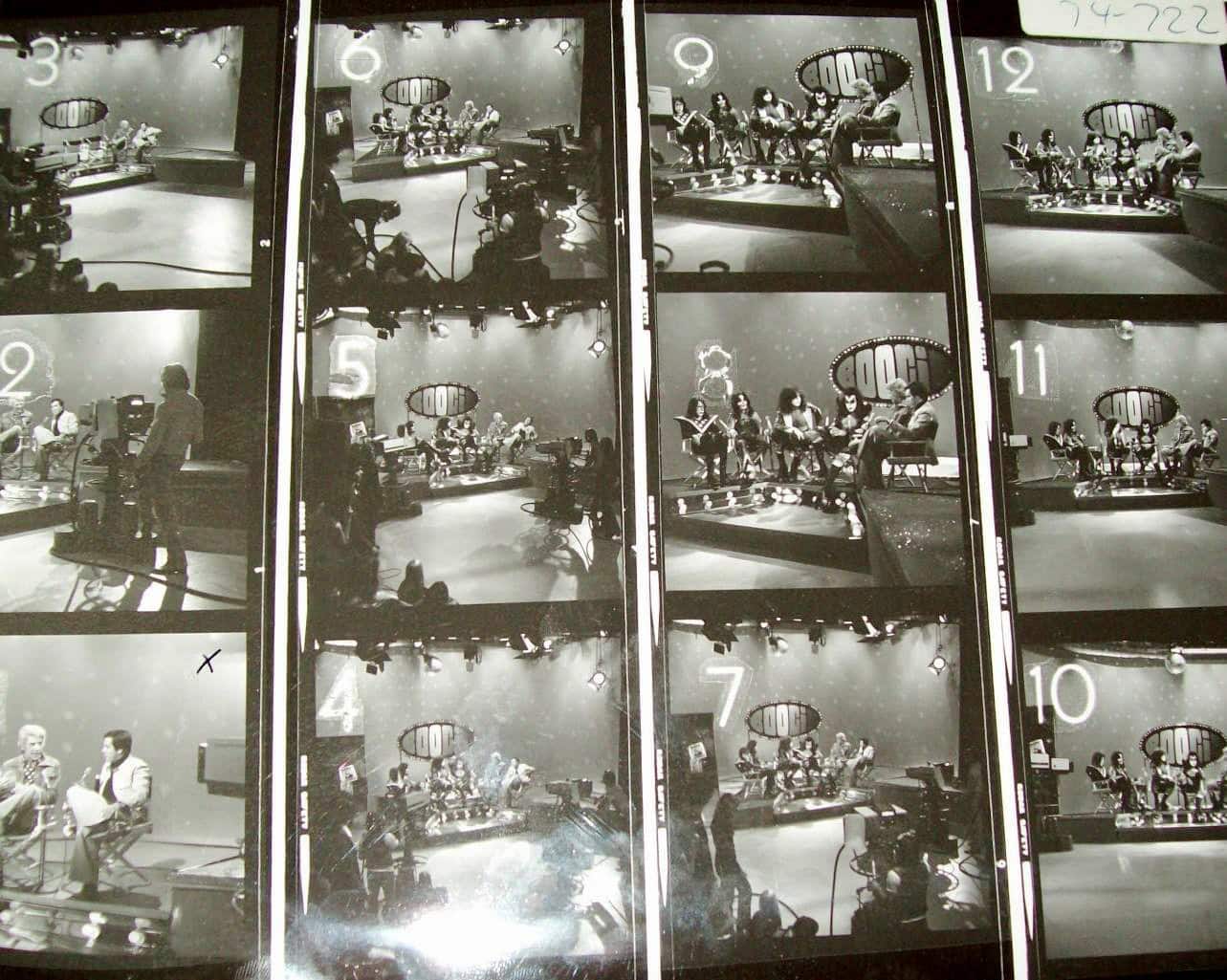
On 14. September, 1974, Kiss appeared on the CityTV show “Boogie” in Toronto, Canada. Little is know about this appearance and the footage apparently hasn’t survived. “Boogie” was an “American Bandstand” rip-off, with people dancing to the hits of the day. This is where Kiss met producer Bob Ezrin for the first time. Later that night Kiss did two shows at the Victory Theater in Toronto.
September 14, 1974, in the afternoon, Bob Ezrin headed up the stairs to do an interview with CityTV in Toronto, at the same time as the members of KISS, who had just performed on Boogie Dance Party were coming down the stairs. Ezrin introduced himself to the face-painted musicians. “It was at CITY-TV in Toronto. They were in full regalia with their seven-inch heels and their huge costumes. It was, like, a walking Mount Rushmore coming down the stairway at you. Paul was very charming and very pleasant. I just said to him, “Are you happy with your records?” And he said, “Yeah, why?” And I said, “Well, you know, if at any point you decide you’re not, I would love to work with you guys.” Recalled Ezrin. Coincidentally two weeks before meeting Kiss, he first heard of Kiss from a kid in Toronto who had Ezrin’s number and told him there’s a band he had to produce and they’re called Kiss!
“I don’t remember how much longer it was, maybe a year later, I got a phone call and was asked to go see the band play live in Ann Arbor, Michigan. They were playing to 9,000 or 10,000 pimply 15-year-old boys, who never sat down for the whole show. It was unbelievably energetic, exciting, theatrical, powerful and just fantastic. It was pure, balls-out, testosterone rock. What was missing for me was the broader audience. So after I told them I’d do the album, the underlying mission behind the record became that we were going to try and reach out to women, as well as young men, and we were going to try to expand past just heavy rock and into the world of pop.” Kiss would enter the Record Plant on January 4, 1976 and Destroyer would be released on March 15, 1976!
Bob Ezrin:
“So I said, being the punk that I am, to Paul Stanley – are you happy with your records? He goes, “why?” Well, if you’re ever not, call me! And that was that! And then some months later I got the call.”
Bob Ezrin:
“A kid in Toronto had my phone number. He used to call me all the time and tell me about all the hot new stuff. One day he called me and said, “There is a band that you have to produce and they’recalled KISS. These guys need you, they are the greatest band in the world, but there is something missing from their music.” Then by coincidence, about two weeks later, I ran into them in the stairway of CTV in Toronto, where they were doing an interview. These monsters came down the stairs, seven and a half feet tall, absolutely dwarfed me as I was coming up the stairs. I felt like I was shaking hands with my father. It was just such a coincidence that I would run into these guys after that phone call. I told them that I had been told that I should produce them. I said we better get together and talk about this.”
– “Kiss Behind The Mask: The Official Authorized Biography” by Ken Sharp & David Leaf.
Related Kiss posts:
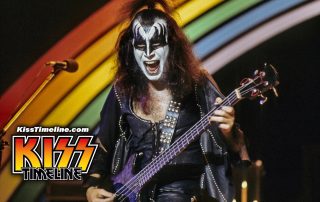
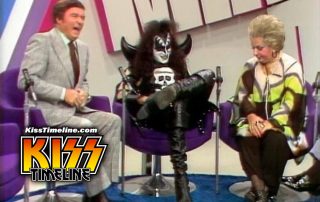
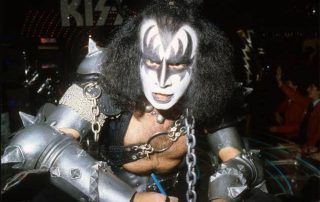
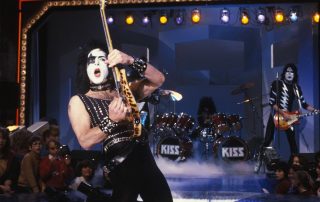
On 14. September, 1974, Kiss appeared on the CityTV show “Boogie” in Toronto, Canada. Little is know about this appearance and the footage apparently hasn’t survived. “Boogie” was an “American Bandstand” rip-off, with people dancing to the hits of the day. This is where Kiss met producer Bob Ezrin for the first time. Later that night Kiss did two shows at the Victory Theater in Toronto.
September 14, 1974, in the afternoon, Bob Ezrin headed up the stairs to do an interview with CityTV in Toronto, at the same time as the members of KISS, who had just performed on Boogie Dance Party were coming down the stairs. Ezrin introduced himself to the face-painted musicians. “It was at CITY-TV in Toronto. They were in full regalia with their seven-inch heels and their huge costumes. It was, like, a walking Mount Rushmore coming down the stairway at you. Paul was very charming and very pleasant. I just said to him, “Are you happy with your records?” And he said, “Yeah, why?” And I said, “Well, you know, if at any point you decide you’re not, I would love to work with you guys.” Recalled Ezrin. Coincidentally two weeks before meeting Kiss, he first heard of Kiss from a kid in Toronto who had Ezrin’s number and told him there’s a band he had to produce and they’re called Kiss!
“I don’t remember how much longer it was, maybe a year later, I got a phone call and was asked to go see the band play live in Ann Arbor, Michigan. They were playing to 9,000 or 10,000 pimply 15-year-old boys, who never sat down for the whole show. It was unbelievably energetic, exciting, theatrical, powerful and just fantastic. It was pure, balls-out, testosterone rock. What was missing for me was the broader audience. So after I told them I’d do the album, the underlying mission behind the record became that we were going to try and reach out to women, as well as young men, and we were going to try to expand past just heavy rock and into the world of pop.” Kiss would enter the Record Plant on January 4, 1976 and Destroyer would be released on March 15, 1976!
Bob Ezrin:
“So I said, being the punk that I am, to Paul Stanley – are you happy with your records? He goes, “why?” Well, if you’re ever not, call me! And that was that! And then some months later I got the call.”
Bob Ezrin:
“A kid in Toronto had my phone number. He used to call me all the time and tell me about all the hot new stuff. One day he called me and said, “There is a band that you have to produce and they’recalled KISS. These guys need you, they are the greatest band in the world, but there is something missing from their music.” Then by coincidence, about two weeks later, I ran into them in the stairway of CTV in Toronto, where they were doing an interview. These monsters came down the stairs, seven and a half feet tall, absolutely dwarfed me as I was coming up the stairs. I felt like I was shaking hands with my father. It was just such a coincidence that I would run into these guys after that phone call. I told them that I had been told that I should produce them. I said we better get together and talk about this.”
– “Kiss Behind The Mask: The Official Authorized Biography” by Ken Sharp & David Leaf.